Archive

How farmers in the south-central U.S. are adapting to a changing climate

The south-central United States is a region historically characterized by erratic weather. Dry Arctic air sweeps down the plains to collide with warm, humid Gulf air. Hail, straight-line winds, flooding, drought, and even tornadoes are a part of life, including farm life. It is notoriously challenging to predict the weather here. People in Oklahoma like to quote native son

How farmers in the south-central U.S. are adapting to a changing climate Read More »

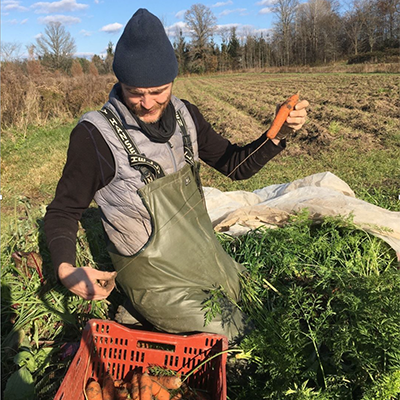
Improving soil biology: Cover crops, compost and inoculants

I wrote about the mysteries and complexities of soil microbiology and why it’s vital to care for the incalculable number of microbes below our feet in “Soil: A living, breathing ecosystem” in the January 2022 GFM. An entire ecosystem exists within the soil and is in constant flux — eating, breathing, communicating, and adapting to

Improving soil biology: Cover crops, compost and inoculants Read More »

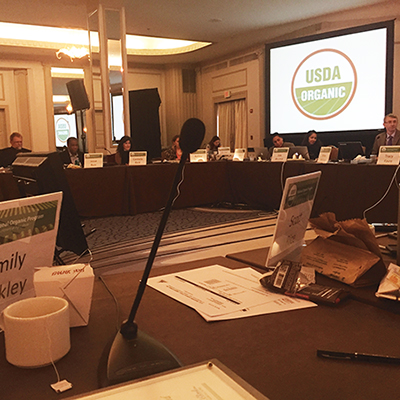
Why organic rules matter, whether youre certified or not

NOSB engagement by small farms is important If you market as organic or grow using organic methods, regardless whether you’re certified, the USDA’s organic rule-making process affects you. Customers have an expectation of what organic means, and they likely associate those expectations with you. That’s why learning about organic rules and how they are created

Why organic rules matter, whether youre certified or not Read More »

Subarctic climate change: Agricultural opportunities and threats

Agriculture is expanding in the subarctic and arctic of Alaska and Canada as temperatures in those northern latitudes rise two to three times faster than on the rest of the planet. Crops are started earlier and remain in the ground longer. In Whitehorse, Yukon, farmer Sarah Ouellette harvested field herbs and greens in the later

Subarctic climate change: Agricultural opportunities and threats Read More »