











Farming in rural Eastern Oregon is rewarding, but it’s not without risk. Amid the satisfaction of a good harvest lies a stark reality: medical emergencies can happen when we least expect them. As farmers, we spend long hours in fields, working with machinery, navigating harsh weather, and encountering wildlife.
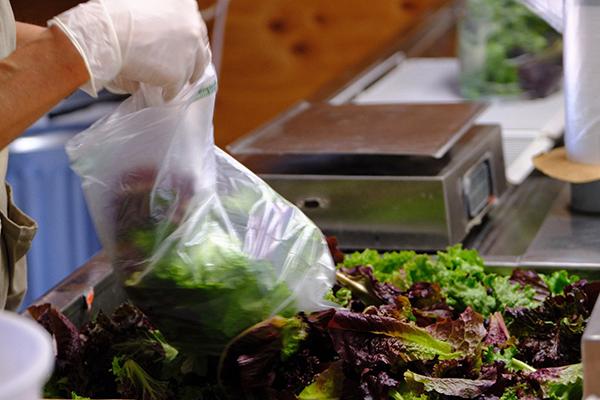
The reality of farm life is that we need to keep track of hazards to farmers as well as customers.
These conditions create unique hazards that require tailored emergency response strategies. Yet, for many of us, proper training in handling these emergencies remains out of reach. This article explores why medical emergency preparedness is essential for farmers, identifies common emergencies on farms, and outlines practical steps for integrating safety practices into daily farm life.
A vision rooted in collaboration
The framework for better emergency preparedness on farms stems from a plan developed in collaboration with Sheba Jones, an educator specializing in medical emergency response, and Matt Robertson, a seasoned physician and fourth-year resident with extensive experience in emergency care. Their vision emphasizes bridging gaps between medical training, rural accessibility, and the daily realities of farm work.
Recognizing that many farms lack even basic emergency protocols, Jones and Robertson designed a proactive, farmer-focused approach. Their plan highlights the importance of tailored first-aid training, accessible resources, and community-driven support to prepare for emergencies.
As a farming partner at Nella Mae’s Farm, I bring a unique perspective shaped by my previous experience in the medical field. Before transitioning to agriculture, I worked closely with emergency response teams, witnessing first hand the critical importance of preparedness and collaboration.
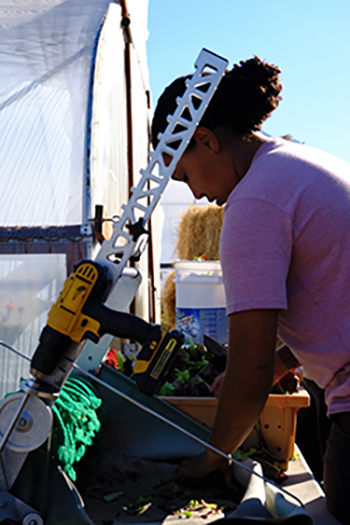
The combination of blades, machinery, and biological hazards mean that risk reduction needs to be built into farm routines.
This background, coupled with a deeply personal experience in Cove, Oregon, has fueled my curiosity and determination to address the challenges of medical emergencies in rural areas. I once experienced a severe anaphylactic reaction due to cross-contamination when the pizza I ate had been cut with a knife previously used on pesto made with walnuts — an allergen I’m deathly allergic to.
Living 30 minutes from the nearest hospital, I had to administer two epinephrine injections at five-minute intervals before meeting EMS halfway. This harrowing incident highlighted the limitations of rural emergency care and reinforced the urgent need for preparedness and rapid response strategies.
At Nella Mae’s, I’ve seen the potential of a whole-systems approach — one that prioritizes not only the health of our soil and crops, but also the safety and well-being of the people who make farming possible. Combining lessons from my medical and farming experiences, I am passionate about equipping farmers with tools and training to respond effectively to emergencies, ensuring our communities thrive in every sense.
The reality of farm life
Life on a farm is inherently risky. Tractors, fencing, electrical equipment, and even bees are essential parts of the job — but each carries dangers. In addition to this, there is the challenge of isolation, where emergency services are often miles away, and the need for self-reliance becomes clear.
Common Risks on Farms
- Mechanical Injuries: Cuts, crushes, and amputations can occur in an instant. Without training in managing severe bleeding or stabilizing injuries, these incidents can escalate quickly.
- Cardiac Events: A colleague collapses in the field from a cardiac event. If no one on the farm knows CPR, the precious minutes before EMS arrives can mean the difference between life and death.
- Electrical Shocks & Burns: Electric fences and equipment can pose risks, especially in damp conditions. Do we know how to handle shocks or when to call for professional help?
- Smoke & Heat Exposure: With wildfires becoming more frequent, the risk of smoke inhalation is rising. Recognizing respiratory distress and knowing when to evacuate is increasingly vital.
- Cold Exposure: Prolonged exposure to freezing temperatures on the farm can lead to frostbite, hypothermia, reduced dexterity (ability to move hands/fingers normally), respiratory irritation, and slips or falls. These risks are heightened by isolation, making preparation essential: wear proper layers, use insulated gloves and boots, take warm-up breaks, stay hydrated, and keep emergency supplies and communication devices accessible.
- Large Animals: Loading and doctoring animals are some of the most risky aspects of animal care. Assess where injury to both humans and animals is most likely and how to avoid it. We have seen some of the worst injuries when closing trailer doors when loading cattle or breaches over panels when sorting. Injuries are common in the spring when horses have been off for the winter and the fall during weaning. Good corrals, low stress livestock practices, and personal protective equipment are essential.
- Chemicals: While readers of GFM are typically growing with organic practices, we do use chemicals for pest control, machinery, sanitation, and other purposes. Reading labels and understanding their potential harms, flammability, and toxicity is important. Know how to store chemicals properly and how to address skin or eye exposure or inhalation.
A culture of preparedness
The plan developed by Jones and Robertson emphasizes fostering a culture of preparedness to equip farmers and farm workers with the tools and knowledge to handle emergencies effectively.
Emergency planning
A well-crafted emergency plan tailored to your farm’s unique hazards is essential. This plan should include:
- Key Roles: Assign responsibilities for emergencies, such as who will call 911, who will provide aid, and who will meet emergency responders.
- Location of Supplies: Mark first aid kits, AEDs ( AED stands for Automated External Defibrillator). An AED is a portable medical device used to help people experiencing sudden cardiac arrest. The AED analyzes the heart’s rhythm and, if necessary, delivers an electrical shock (defibrillation) to help the heart re-establish an effective rhythm. AEDs are designed to be simple to use, even for individuals with minimal training, and are often found in public spaces like schools and workplaces. Make sure the farm address is posted by emergency supplies to help with 911 calls.
- Training Schedule: Regularly review and practice your emergency plan, holding team drills at least every six months. Everyone on the farm should have first aid and CPR training.
- Specific Employee Needs: It is important to balance privacy with preparedness. Understand the risks and needs each employee has and plan for possible emergencies. Examples include allergies, diabetes, and other conditions that require quick responses by co-workers.
- Emergency Contacts for Employees: We keep employee emergency contact information on a clipboard with the timesheets for emergencies.
Collaborative training opportunities
Jones and Robertson recommend partnering with organizations like University Extension, volunteer fire departments, and Red Cross to bring affordable, practical training to your team. A farm-specific CPR and first aid class costs as little as $20 per person and can save lives.
First Aid Kit Essentials
Farmers should invest in customized first-aid kits that go beyond band-aids.
- Trauma dressings are large, sterile wound coverings used to control heavy bleeding and protect against serious injuries like deep cuts, burns, or open wounds. They are highly absorbent, reduce infection risk, and often include attached wraps to apply pressure and secure the dressing. Commonly used in emergencies, they are essential for managing severe bleeding until professional care is available.
- Splints
- Tourniquets
- Burn and sting antibacterial gels or sprays
- Respiratory masks, protective eyewear
- Benadryl for allergic reactions
- Aspirin can be given if a stroke or heart attack is suspected to thin the blood
- NSAIDs such as Advil or Tylenol
- Automated blood pressure cuff and thermometer to monitor vital signs until EMS arrives
- Ammonia inhalants for fainting
- Blood sugar monitor and sugar tablets for low blood sugar
- Ice packs
- Saline eye wash
- Automatic External Defibrillator (AED) if accessible
Incorporating education
It’s not enough to prepare for emergencies — we need to share knowledge to build resilience. Local agricultural programs can incorporate medical emergency training into their curriculum. By equipping the next generation of farmers with these skills, we invest in safer futures for rural communities.
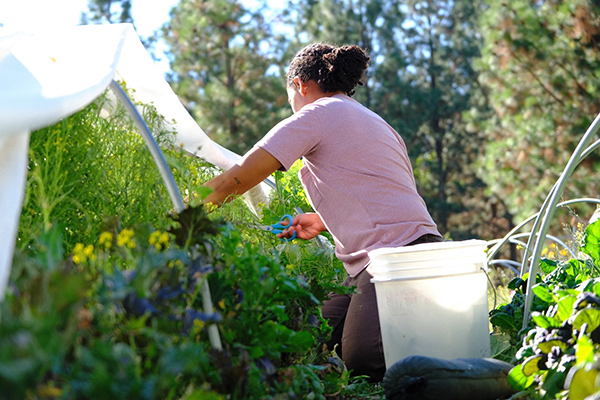
Jones, drawing from her expertise as an educator in medical emergency response, suggests that farmers build emergency training into the rhythm of farm operations. “Think of it like planting a crop,” she says. “The effort you invest today will yield safety and preparedness in the future.”
Emergency plan example
Person A (Leader): Person A stays with the person having the emergency and performs the emergency treatment.
Person B (Recorder): Assists person A, takes vital signs (blood pressure, pulse, respirations, temperature every five minutes) and documents the events of the emergency, including the times and medication delivery.
- Normal Blood Pressure: 120/80 mmHg
- Normal Pulse: 60-100 beats per minute
- Normal Temperature is 98.6 F
- Normal Respirations (Breaths): 16-20 per minute
- If Diabetic, check blood sugar (over 180 is high, and below 70 is low)
Person C (Retriever): Retrieves emergency kit and or AED and prepares emergency drugs or supplies.
Person D (Emergency Contact/Point Person): Contacts emergency services and directs them where to arrive.
Practical steps moving forward
- Host Team Drills: Practice your emergency plan quarterly.
- Collaborate with Experts: Partner with local healthcare providers to tailor first aid workshops.
- Invest in Safety Gear: Be sure to have gloves, masks, and any disposable items to provide protection from exposure to bodily fluids.
- Engage the Community: Work with local organizations to promote safety education and advocate for improved rural EMS response times, such as building relationships with your local EMS department.
Bridging the urban-rural gap
Rural areas face unique challenges in emergency response. Ambulances often take longer to reach remote farms, and the terrain can be difficult to navigate. Robertson notes: “Understanding these disparities and preparing for them proactively is key to saving lives.”
For example, consider a small farm in Eastern Oregon where a worker suffered an electrical shock. Thanks to prior training, their coworker recognized the signs, cut the power, and applied CPR until help arrived. In contrast, another farm, unprepared for emergencies, lost precious time to confusion, resulting in a tragic outcome.
As farmers, our focus is often on nurturing life — from crops to livestock. But we must also cultivate safety and preparedness. By prioritizing medical emergency training and creating team-focused plans inspired by the work of Jones and Robertson, we can safeguard not only our livelihoods but also our lives and the lives of those who work alongside us.
Let’s bridge the gap between farming and emergency preparedness, ensuring that when emergencies occur, we are ready to respond effectively and compassionately. Together, we can create safer farms for everyone.
For more information on farm safety training and resources, visit Oregon State University Extension or the Oregon Wheat Commission.
Collaborators:
Samirah Miller | Farming Partner, Nella Mae’s Farm – Cove, Oregon | BS, MSCN, MSROA
Sheba Jones | RDH, MSDH Dental Faculty – College of Southern Nevada
Matthew L. Robertson | BA/BS, PGY-4, Pediatric Emergency Medicine
Samirah Miller is a regenerative farmer, nutritionist, and advocate for food justice. She recently completed her second master’s degree in regenerative organic agriculture, where her research focused on “farming like a tree,” exploring innovative ways to enhance soil health and biodiversity through traditional ecological knowledge. As a partner at Nella Mae’s Farm in Eastern Oregon, Samirah leads projects aimed at increasing food security, such as a collaborative winter CSA pilot, while improving farm efficiency through regenerative practices. Samirah’s work emphasizes the importance of education and community collaboration, sharing knowledge about sustainable agriculture and bridging gaps between farming, health, and resilience. When not in the field, Samirah is actively involved in writing, research, and fostering partnerships that highlight the intersections of environmental stewardship, farming, and food systems.
Copyright Growing For Market Magazine.
All rights reserved. No portion of this article may be copied
in any manner for use other than by the subscriber without
permission from the publisher.