











Storage crops are a key element for year-round income for many farms. Extending your season for the first time, however, may mean extending your work and needed areas of expertise more than anticipated. On top of the normal in-season work to raise a diversity of crops, and know-how to keep them looking good until sold, you need to be aware of potential decay and disease issues beyond what you easily notice in the field, as well as optimal handling and storage conditions (most of which differ between crops). Even then you still cannot fully rest while your fields are resting — you also need to adopt regular scouting of your stored crops, over weeks and months of storage, to catch potential issues before they worsen or spread.
Any issues that you encounter with your stored crops give you an opportunity to perform a “post-mortem” that will inform your plans for the coming year’s harvest and post-harvest. When storage crops are handled well — especially when paired with winter-grown greens — and you are providing for customers who truly appreciate a SLOW (Seasonal Local Organic Whole) food diet as much as you do, the potential rewards may make the extra futzing about in the cold off season feel more than worth it.
I like to break up storage issues into categories of abiotic storage disorders, pre-harvest infections, and post-harvest infections — though of course all of these broader categories interact with each other.
Abiotic storage disorders
Similar to storage conditions differing from crop to crop, abiotic (i.e., not caused by a pathogen) issues are typically specific to individual crops, though they can also easily affect several different crops at once.
“Hollow heart” or similar internal browning typically occurs prior to storage, and may often be limited to a single crop, and sometimes to an individual variety within that crop. While it may not be noticed in potatoes or other root crops until they’re taken out of storage, the damage occurred months prior when the crop was still growing. Most commonly, hollow heart is due to irregular water availability to the crop, which equates to interruptions in the availability of calcium, and less commonly boron, getting to where rapidly growing tissues need it. While nutrient levels in the soil may play a role, particularly in the case of severe deficiencies, more commonly the problem is due to an inconsistent and widely fluctuating amount of water in the soil. Different varieties frequently have varying susceptibility to the issue, so if you’re encountering it, you may find value in trialing other varieties in the coming growing season — in addition to evaluating your irrigation.
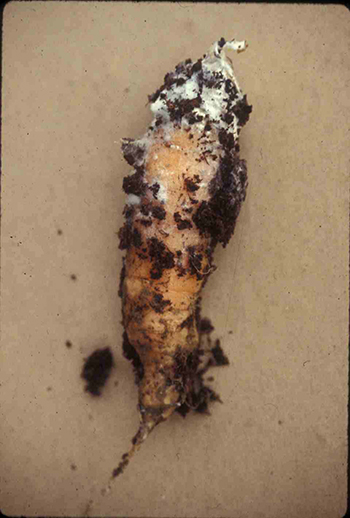
Fig. 2. “Soft Cottony rot” of carrot, caused by white mold (Sclerotinia sclerotiorum) infection. Photo by Eric Sideman.</span ></em >
Abiotic issues that truly occur during storage are usually the result of insufficient management of environmental conditions for the crop(s) (Fig. 1). Optimal storage conditions vary quite a lot between different crops, and specifics are well beyond the scope of this article, however USDA Agricultural Handbook 66 (“The Commercial Storage of Fruits, Vegetables, and Florist and Nursery Stocks”) is readily available, and the most comprehensive guide to the topic. Beyond the Root Cellar by Sam Knapp is another good one- see the GFM archives for excerpts or to buy the book.
The most obvious winter storage issue — though not always noticed in a timely manner on crops that are stored very cold — is freezing damage, which can create a spot that has a “water-soaked” appearance, usually where the crop was in contact with a very cold surface. All farms’ storage setups differ, but freezing risk is greatest for crops closest to exterior surfaces, particularly walls facing strong winds. Storage crops will generate a small amount of heat as they respire, which typically rises in a storage area, keeping upper levels warmer. While cold air will settle at the floor, many storage area floors are in contact with the earth or are well insulated enough to act as a thermal mass that doesn’t reach freezing temperatures — your mileage may vary.
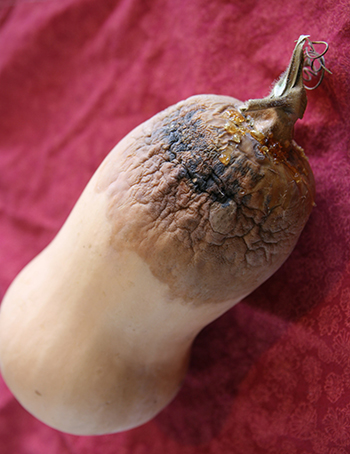
Fig. 3. Advancing black rot infection on butternut squash. Photo by Eric Sideman.</span ></em >
Similar to freezing damage, chilling injury can affect crops that are best stored warmer. For example, winter squash can be injured at temperatures below 50 F. Because this temperature range is less uncomfortable to us, chilling injury may be more difficult to notice as it occurs. At the very least, chilling can cause more rapid moisture loss, and possibly skin shriveling. Over time it may cause skin pitting, which can allow decay organisms an entry point.
Relative humidity is the other critical storage condition that varies quite a bit by crop type. Not enough humidity will cause crops to lose water and shrivel, or at least lose turgor pressure — the positive pressure of water inside their cells that makes them firm, an important sign of freshness and vitality for your customers. Too much humidity for a given crop type may encourage growth of decay organisms, or unsightly root growth from the crop.
The third environmental consideration that is most important to keep in mind when diagnosing storage crop issues is each crop’s production of, and sensitivity to, ethylene gas. Ethylene is the plant hormone that causes fruit to ripen — which is essentially the opposite of our goal to maintain crops in a state as close to dormancy as we possibly can. Storage carrots that have become bitter are often the result of ethylene exposure, which causes them to produce a bitter compound in their skin. Ethylene issues can be difficult to pin down — several crops will produce much more ethylene if wounded than otherwise, and one of the negative effects of ethylene that we hope to avoid is an increase in respiration within the crop. Lower temperatures help to keep respiration and ethylene production rates down, but ethylene-driven increases in respiration can lead to higher temperatures, potentially creating an unwanted feedback loop as that leads to greater ethylene production.
Airflow, typically achieved through proper ventilation, is the unifying component, affecting temperature, humidity levels, and potentially ethylene levels as well. Additionally, stagnant air can lead to pockets of air with low oxygen levels — the potential cause of another abiotic disorder, “blackheart,” in potatoes. With considerations in place to maintain temperature and humidity levels in acceptable ranges, it’s best to optimize airflow and ventilation to bring in and circulate fresh air as needed.
Pre-harvest infection
When growing storage crops, it is true that in most cases crop quality will be highest at the time of harvest. Flavor may improve after curing and/or storage of some crops, as starches are converted to sugars, however, that too is limited by the crop’s condition at harvest. Unfortunately, that truth can be drastically worsened by any unnoticed infections already present at harvest time that may blossom into smelly crop losses in storage. The following is a sampling of some of the more common issues.
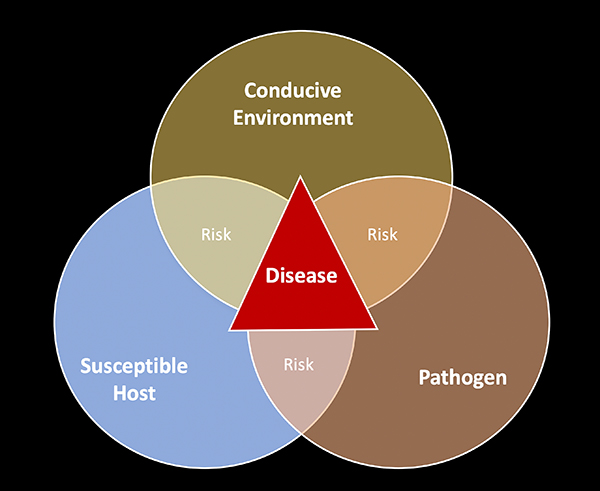
Fig. 1. The disease triangle. Courtesy of Caleb Goossen</span ></em >
White mold (Sclerotinia sclerotiorum, see the September 2025 GFM for my article on that topic) is a “generalist” disease, capable of infecting hundreds of plant species. While it could show up as a problem on stored winter squash, for example, it is perhaps most damaging when it shows up as “soft cottony rot” on stored carrots (Fig. 2). A minor infection on a carrot crown may not be noticed at harvest time, however, the disease thrives in the high-humidity conditions that carrots store best at and can easily spread to the rest of the crop in the same bag or container if given enough time. The cottony visible growth is fungal mycelia, which allows the disease to spread, and is often followed by rotting that turns carrots, parsnips, and potentially other crops into a soft mush. Active infections that have not progressed enough to be easily visible are probably the most common pathway for a white mold issue in storage, however, storing root crops “dirty,” with soil still attached, may allow for white mold sclerotia to travel with the crop, and later germinate and infect the crop.
Botrytis neck rot can infect garlic and onions in the field, but may leave the field as only a latent infection. Rapid successful curing can prevent post-harvest infection and/or stop the disease’s progression to the bulb, which can occur from latent infections if onion necks have not sufficiently dried. Practices that encourage thinner/dryer necks at harvest can help to prevent this storage issue.
Gummy stem blight is the name given during the growing season to infections of Didymella bryoniae, which confusingly enough is also called Phoma cucurbitacearum at a different stage in its lifecycle. When it infects winter squash, we call the disease black rot (Fig. 3). While black rot infection establishes most easily by entering harvest wounds, squash fruit can be infected in advance of harvest as well. While effective curing will help to hasten wound healing, in either case, controlling gummy stem blight during the season limits its infective potential before or during harvest.
Post-harvest handling and infection
As the disease descriptions listed above hint at, crop handling at harvest and post-harvest can make a real difference. That difference can be amplified by the greater harvest volume of storage crops, representing many weeks of sales relative to in-season harvest volumes. Focusing your harvest on the healthiest crops you have will not only help you to minimize accidentally including latent infections but will also ensure that your crops are starting the storage season at their greatest potential. In other words, stronger, healthier crops will carry less disease and decay inoculum with them and will be more resistant to infection by any that are present. Similarly, taking care to minimize crop bruising and wounding, as well as to speed curing — when crop-appropriate — to heal wounds, limits the easiest entryways for disease and decay organisms to exploit. These practices result in higher quality produce at the same time they are reducing your risks of storage losses.
A classic example of a post-harvest storage disease is Penicillium fungi (“blue mold”) showing up on garlic in storage (Fig. 4); it is typically worst when the crop had suffered wounding and/or been cured slowly or ineffectually. But take care to not push crop-curing conditions to extremes — waxy breakdown is an abiotic disorder of garlic that may also go unnoticed until after storage, despite the fact that it frequently began post-harvest, caused by exposure to high temperatures.
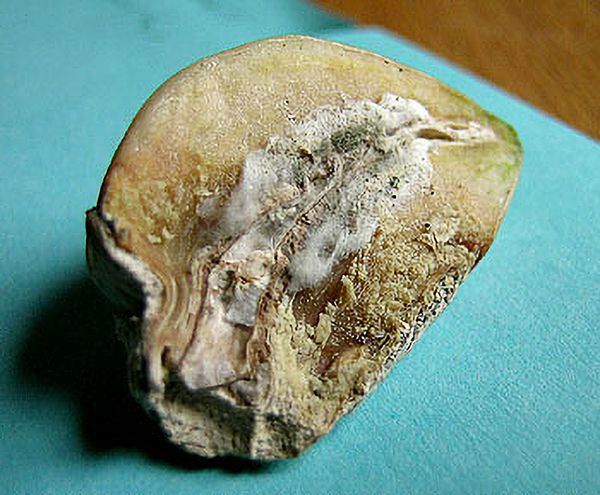
Fig. 4. Penicillium decay on garlic. Photo by Eric Sideman.</span ></em >
If storage conditions get too far out of range, soft-rotting bacteria can get established and liquify crops. This is rarely a problem when best practices have been followed and the crop is cold enough and free of liquid water, but the odors associated with bacterial soft rots in worst conditions (low oxygen levels, warmer conditions, and with free water) can cement themselves in your memory, and are more likely to enforce your use of future best practices than anything I could say here!
General best practices
Grading your crops — whether that’s into separate 1st and 2nd quality bins, or plastic storage bags — allows you to prioritize the sales of crops that may not hold as long, reducing losses while maintaining overall quality.
Sanitation of harvest and storage equipment and containers reduces the source of decay organism inoculum that’s most in your control.
Every crop has its own handling and storage condition demands. While USDA Handbook 66 is probably the most comprehensive guide across crops, it isn’t the final word — many growers have found their own best practices that work best in their specific circumstances.
Monitor storage conditions and crop status. You can do the best job getting your crops into ideal storage conditions and have it all be for naught if you don’t ensure that the conditions your crops are experiencing haven’t drifted out of your target ranges, or that a few “bad apples” aren’t “spoiling the whole barrel.” There are many new technology solutions that can assist with monitoring storage spaces — and are often much more affordable than previously, and certainly come with a lesser cost than losing a crop.
Regular scouting is still important. No monitoring will replace your eyes, nose, and brain.
Storing crops long term is already a situation where we want to avoid “garbage-in, garbage-out” but emphasis on high-grading your crop, to start with the best of the best, and using best post-harvest practices to limit wounding allows you to start with stronger, more resilient crops and less disease inoculum. Breaking crops out into storage areas that are as fine-tuned to the crop type’s optimal conditions as makes sense for your systems, and regular monitoring to catch issues and prioritize sales before crops begin to decline in quality, are key practices. Done well, these practices can help you be proactive in reducing crop losses, while lowering the risk of them catching you off guard in the first place.
Caleb Goossen is the organic crop specialist of the Maine Organic Farmers and Gardeners Association (MOFGA) and the author of MOFGA’s Pest Report newsletter (sign up at mofga.org/newletter-sign-up-pest-report). Formed in 1971, MOFGA is the oldest and largest state organic organization in the country. MOFGA’s mission is to transform the food system by supporting farmers, empowering people to feed their communities, and advocating for an organic future. Learn more at mofga.org.</i >
Copyright Growing For Market Magazine.
All rights reserved. No portion of this article may be copied
in any manner for use other than by the subscriber without
permission from the publisher.