










For the the life of our flower business, we’ve been hunkered down, pushing through, making do with little and solely working with what’s at hand. Limitation has always been the theme. The property we farm is not our own and is a small plot at that. We started with no money, little training and had to find a way for the flowers to turn a profit the first year and beyond. Don’t get me wrong, limitations can be a marvelous thing and we have learned an enormous amount by working around them! Limited resources = creative problem solving and through this process we’ve blown the doors off of what seemed possible both financially and production-wise per acre. But making do and going without is hard over time both on the physical body and morale. So 2013 is going to be different in the very best possible way! We’ve decided to finally start investing in ourselves, our education and to get a bigger view of the world surrounding flowers.
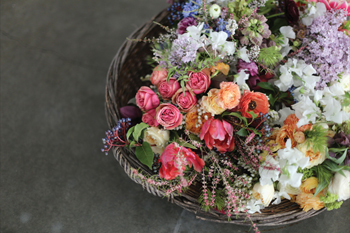
In March we flew to Texas to see the Arnoskys’ legendary farm and in April I jetted to Palm Springs and studied under one of the best floral designers in the industry, Kate Holt of Flower Wild. Next month I’m heading back to California for a three-day flower intensive at Chalk Hill Clematis with floral master Ariella Chezar. Then late this summer Brooklyn’s amazing floral artist Amy Merrick is coming out to joint teach a flower workshop at our farm. This fall Jennie Love and I are scheming on a growing/wedding class in Philadelphia. It’s an exciting year full of new ideas, skills, adventure, connections and a whole lot more wedding flower love!
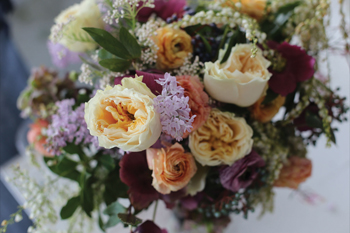
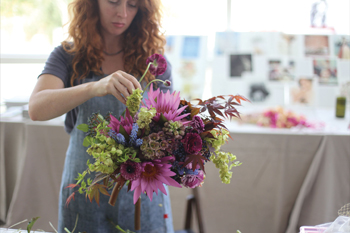
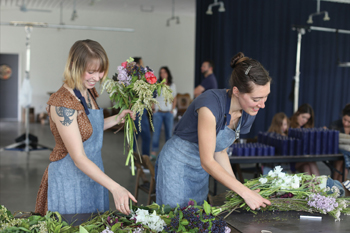
Kate Holt, owner of Flower Wild and teacher of last month’s workshop in Palm Springs, has been on my radar for years.Her floral designs are fresh, abundant, garden-inspired and most of all seasonally based. It’s one thing to learn the mechanics of putting together a fancy bridal bouquet or centerpiece with standard material from the wholesaler but it’s a whole other ballgame to see an expert in the industry using the freshest seasonal ingredients and arranging them in a natural, loose, organic way. Pair this approach with gorgeous linens, killer props, an amazing venue and spectacular photos… it was pure heaven, I tell ya!
Spending two solid days surrounded by 15 floral designers from all over North America and hearing how they structure their businesses, find inspiration, market online, and struggle with the same fears and insecurities as I do was amazing! But probably the coolest thing that came up in our hours and hours of talking was how many of the designers want to find ways to connect with local growers and seasonal product moving forward. There were complaints about the limited availability, poor quality and lack of unusual ingredients through their wholesalers. Kate, our teacher, shared that the best designers in the country have cultivated close relationship with specialty growers and it shows in their work. The new trend emerging in the high-end floral world is one that is rooted in seasonal flowers that are relative to the place they are displayed and arranged in an abundant, natural way. Sitting in on this discussion was quite eye opening since I often feel a little ashamed or embarrassed that I grow most of the flowers that I use in wedding work. Hearing these designers longing for fresh blooms, grown in their own backyards or by a caring farmer was almost comical … I finally realized how good I really have it!
Another thing that stuck out in our conversation was the breakdown between the ingredients designers want and what’s being grown by local producers. While sunflowers, millet, gladiolas, asiatic lilies, amaranth and zinnias are all great crops, higher-end designers are leaning towards more delicate ingredients in more refined color palettes. Knowing what the florists will be requesting in the upcoming seasons take a little digging but if you can spot the trends early you’ll be set. I suggested that the designers seek out and meet with farmers during the winter months to map out what flowers, foliages and colors they will be wanting in the seasons ahead. While the concept of growers and designers teaming up and collaborating is relatively new, I do think there is a tremendous amount of promise. If growers knew what designers were wanting and designers got exposed to the enormous amount of choices in ingredients, it would be a win-win for everyone! Jennie Love from Love N’ Fresh Flowers and I have teamed up on a floral idea, called The Seasonal Bouquet Project. Every week we each create and photograph an arrangement using flowers grown within 50miles of our farms. Our goal is to showcase what’s possible with seasonal flowers and so far it’s working out great! Many designers at the class were already following along and inspired by what they saw.
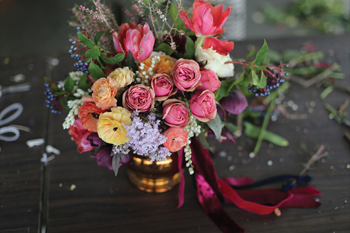
Next to grocery stores, I believe that flowers to event florists are going to be a hot sales spot in the future. Buffing up on work by good designers, the coming trends, popular colors (not what Pantone says!) and sought-after flowers is key. I personally frequent many wedding and floral design blogs every week, watching California and New York designers especially. Many cities are a few seasons delayed in style trends so keeping an eye on the horizon will give you time to plan and plant.
It was so heartening to hear such excitement about local product coming from the designers in the class. Just a few years ago there was an enormous gap between where flowers were grown, who grew them and who was using them in the end. Following the path that vegetables, meat, dairy and honey forged, local/responsibly produced flowers are finally catching on.
Getting off the farm and out into the world has been exciting beyond belief! While working inside such strict limitations these past years has really helped us hone our craft, master efficiency and squeeze more flowers than one can imagine from a tiny plot of land, I’m ready to see what’s going on out in the flower world and help build a strong bridge between growers, designers and consumers.
I thought sharing a few of my favorite resources, links, and popular varieties might be helpful if you are interested in charting a course into the fancy wedding flower realm. Wedding blogs to follow: Snippet & Ink, Style Me Pretty, Green Wedding Shoes, Martha Stewart Weddings, Kiss the Groom and Jose Villa.
Designers to watch: Sarah at Saipua, Amy at Amy Merrick Flowers, Kate at Flower Wild, Ariella at Ariella Chezar Floral Design, Sarah at Honey of a Thousand Flowers, Emily at Emily Thompson Flowers, Susanne at The Blue Carrot, McKenzie at McKenzie Powell Designs.
Magazines to subscribe to: Martha Stewart Living, Martha Stewart Weddings, Flower, and your local Wedding mags (ours are Seattle Bride and Seattle Metropolitan Bride and Groom).
Colors that are super popular in wedding flowers right now: white, cream, blush, champagne, coral, peach, salmon and orange. Later in the season you’ll see a big draw towards saturated fall tones, especially rust, bronze, deep red and orange.
Flowers and foliage that are super hot right now with top designers:
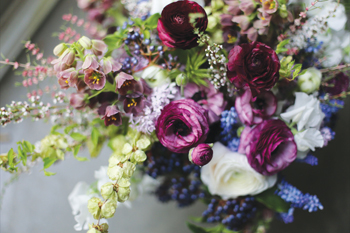
Spring: Icelandic poppies, ranunculus, anemones (white with black eye), parrot tulips (sherbet tones), hellebores, lilacs, bearded iris, fritillaria (melagris, persicaria, uva vulpis), muscari (pale blue) sweet peas (white and peach especially), herbaceous peonies (corals, whites and singles especially), tree peonies (any color and variety!), jasmine vine, hyacinths and forced blooming branches.
Summer: zinnias (Persian carpet mix), matricaria (single daisy-flowered type), dusty miller (New Look), craspedia,celosia (plume types in white, salmon, orange and pastel pink ), Chantilly snapdragons (sherbet tones), dahlias (the dinner plate Café Au Lait is hot!!! Plus deep reds, oranges, corals, white and peach), berries (thornless blackberries and everbearing raspberries), Viburnum (‘Michael Dodge’, ‘Blue Muffin’ and Opulus cranberry), cosmos (white, seashells, chocolate), basil (purple and oriental), succulents, echinacea pods, yarrow (terracotta, cassis, summer berries, apple blossom), scented geraniums (chocolate and rose), vines (large flowered clematis, love in a puff, porcelain vine, cup n’ saucer), queen anne’s lace (black and Ammi majus), garden roses (cream, peach, coral, salmon, pink) and scabiosa (pods and flowers).
Fall: Mums (disbud and crazy spiders in fall tones), perilla (dark leafed), dusty miller (New Look), vines (bittersweet and porcelain), scented geranium (chocolate, rose, ginger), pods (nigella, scabiosa, poppy), grasses, rosehips, kale (redbor and winterbor), snowberries and hydrangeas.
Erin Benzakein owns Floret, a small organic flower farm in Washington’s beautiful Skagit Valley. You can follow her flower adventures on her blog: www.floretflowers.com/blog
Copyright Growing For Market Magazine.
All rights reserved. No portion of this article may be copied
in any manner for use other than by the subscriber without
permission from the publisher.